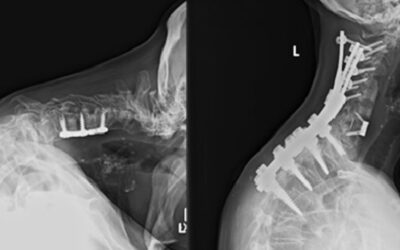
Spinal stenosis is a condition that occurs when the spaces within the spine narrow, placing pressure on the spinal cord and nerves. This compression can lead to pain, numbness, and weakness—especially in the neck, lower back, arms, or legs. While spinal stenosis can affect people of all ages, it is most commonly diagnosed in adults over the age of 50 due to age-related changes in the spine. So, what is the newest treatment for spinal stenosis?
What Causes Spinal Stenosis?
The most common cause of spinal stenosis is degenerative changes in the spine, such as arthritis, herniated discs, or thickened ligaments. In some cases, individuals may be born with a naturally narrow spinal canal, making them more susceptible to developing symptoms later in life. Trauma, tumors, and certain bone diseases can also contribute to spinal canal narrowing.
How It Affects the Nervous System
The spinal cord and nerve roots are responsible for transmitting signals between the brain and the rest of the body. When these structures are compressed due to spinal stenosis, it can disrupt normal nerve function. Patients may experience:
- Tingling or numbness in the extremities
- Muscle weakness
- Difficulty walking or maintaining balance
- Pain that radiates down the arms or legs
- In severe cases, loss of bladder or bowel control
Diagnosis and Treatment
Diagnosis typically involves a physical exam and imaging studies such as MRI or CT scans to assess the extent of spinal canal narrowing. Treatment options range from conservative approaches like physical therapy and anti-inflammatory medications to surgical procedures that relieve pressure on the nerves.
Expert Care in Englewood and Denver
What is the newest treatment for spinal stenosis? If you’re experiencing symptoms of spinal stenosis, it’s important to consult a specialist who understands the complexities of the spine and nervous system. Dr. Eric Arias is a board-certified neurosurgeon with an office in Englewood, Colorado, serving patients throughout the Denver metro area. With extensive experience in treating spinal conditions and brain tumors, Dr. Arias offers both traditional and minimally invasive surgical options tailored to each patient’s needs.
Early diagnosis and expert care can make a significant difference in managing spinal stenosis and improving quality of life. Schedule a consultation today to learn more about your treatment options.