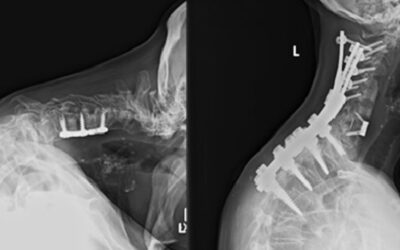
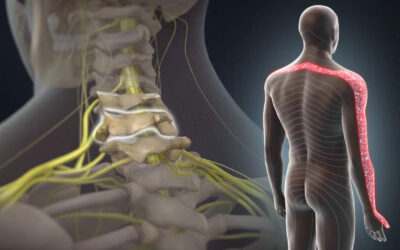
Cervical myelopathy is a serious condition caused by compression of the spinal cord in the neck. Unlike radiculopathy, which affects individual nerve roots, myelopathy impacts the spinal cord itself—leading to more widespread and potentially disabling symptoms. Learn to recognize the signs of cervical myelopathy, treatments, and patient case studies, click here.
Common signs include difficulty walking, loss of balance, hand clumsiness, weakness in the arms or legs, and changes in coordination. In advanced cases, patients may experience bladder or bowel dysfunction.
Cervical myelopathy is often the result of age-related degeneration, such as spinal stenosis, disc herniation, or bone spurs. It can also be caused by trauma, tumors, or congenital narrowing of the spinal canal. Being able to recognize the signs of cervical myelopathy can lead to early diagnosis and treatment.
Diagnosis involves a neurological exam and imaging studies to assess the extent of spinal cord compression. Treatment depends on severity but often includes surgical decompression to relieve pressure and prevent further neurological decline.
Dr. Eric Arias, a board-certified neurosurgeon located in Englewood, Colorado, specializes in the diagnosis and treatment of cervical myelopathy. He serves patients across the Denver metro area, offering advanced surgical techniques and personalized care plans.
If you’re noticing changes in your coordination, balance, or fine motor skills, it’s important to seek evaluation promptly. Cervical myelopathy can progress quickly, and early intervention is key to preserving function and mobility.